
Audits and Baselines: Why They Matter for Councils Taking Action on Biodiversity
- jonathan6581
- Sep 26, 2025
- 2 min read
For town, parish and community councils, biodiversity can feel like a broad and complex subject. Where do you start? Which spaces matter most? And how do you know whether your actions are making a difference?
This is where audits and baselines come in. They provide the foundation for every successful biodiversity plan, giving councils clarity, confidence, and a way to measure progress.
What Do We Mean by “Audit” and “Baseline”?
Audit: taking stock of the land and assets your council owns or manages, and understanding how these spaces interact with nature. That might include green spaces, play areas, verges, hedgerows, or even cemeteries.
Baseline: the picture of where you are today - what habitats exist, what condition they’re in, and what potential they have. This becomes the benchmark against which future progress can be tracked.
Without this starting point, it’s difficult to set meaningful objectives, apply for funding, or demonstrate success to your community.

Why Now Is the Right Time
In Wales, councils have a legal requirement under Section 6 of the Environment (Wales) Act 2016 to maintain and enhance biodiversity and publish reports every three years.
In England, councils are working towards the new biodiversity duty introduced by the Environment Act 2021. Local authorities will need to publish biodiversity duty reports by January 2026, and parish councils are expected to show how they’ve considered biodiversity in decision-making.
For both, starting from a strong baseline today makes future reporting and community engagement much easier.
What Councils Discover in Their Baseline
Every audit is different, but common insights include:
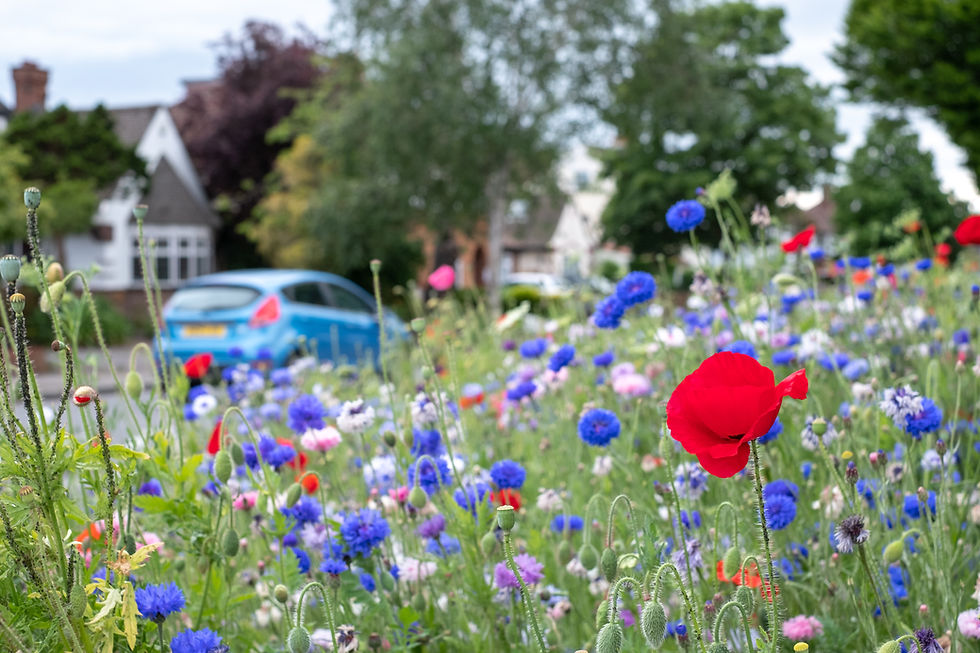
Hidden opportunities in spaces that might otherwise be overlooked, like roadside verges or small patches of grassland.
Maintenance regimes (such as mowing or hedge-cutting) that could be adjusted to support pollinators and wildflowers.
Potential to connect fragmented habitats, creating corridors for wildlife to move through communities.
Gaps in community involvement - and ways local schools or volunteer groups could play a role.

Why It Matters for Communities
Biodiversity isn’t just about wildlife. It’s about creating places that are healthier, more resilient, and more enjoyable for people.
Councils with clear baselines can:
Show residents how local nature is being protected and enhanced.
Make better-informed decisions when setting budgets and policies.
Build a stronger case when applying for grants and external funding.
How Green Council Can Help
Carrying out an audit or creating a baseline doesn’t have to be daunting. At Green Council Biodiversity Solutions, we bring:
Experience: working with councils across Wales and England.
Expertise: understanding statutory duties and how to align local actions with national strategies.
Engagement: helping councils communicate progress clearly to residents and stakeholders.
If your council is thinking about biodiversity but unsure where to begin, we’d love to talk. An audit and baseline is the first step towards delivering visible, long-lasting benefits for both nature and your community.


Comments