
Balancing Housing Growth and Biodiversity in 2026
- Katy
- Apr 30
- 3 min read
Turning Policy into Practical Action for Councils

As councils across England face increasing pressure to deliver housing growth, local authorities are also being asked to protect and enhance biodiversity at a time of significant environmental change.
With planning reform, Biodiversity Net Gain (BNG) requirements, Local Nature Recovery Strategies, and growing public concern around green space all shaping the agenda in 2026, councils are navigating a complex balancing act.
The challenge is no longer simply where development should happen—but how it can happen in a way that supports both communities and nature.
By embedding biodiversity into planning decisions from the outset, councils have an opportunity to move from reactive environmental management to proactive place-making.
Understanding the Challenge
Housing delivery remains a national priority, with councils under continued pressure to meet ambitious targets and accelerate local development.
At the same time, local authorities are working within:
Biodiversity Net Gain requirements
Environment Act obligations
Climate commitments
Local Nature Recovery Strategies
Community expectations around green space and wellbeing
Balancing these priorities requires careful planning and practical action.
Why Biodiversity Matters in Local Planning
Biodiversity is increasingly recognised as essential infrastructure for healthy, resilient communities.
Well-designed green spaces can support:
Flood resilience
Urban cooling
Improved air quality
Mental health and wellbeing
Wildlife connectivity
Climate adaptation goals
Residents are also becoming more engaged in discussions around the protection of parks, verges, trees, and natural habitats—particularly in areas experiencing rapid development.
For councils, integrating biodiversity into growth plans can help create places that are both sustainable and publicly supported.
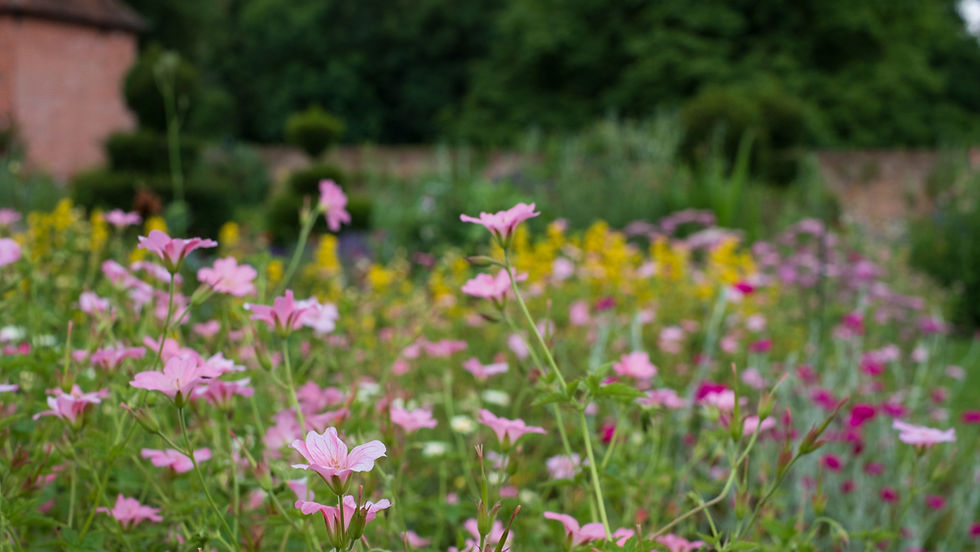
Turning Policy into Action
National policy frameworks provide direction, but meaningful biodiversity improvements often come from practical local interventions.
🌱 Protecting Existing Habitats
Established habitats are often more valuable than newly created ones. Councils can:
Retain mature trees and hedgerows where possible
Protect existing wildlife corridors
Minimise fragmentation during development
Incorporate green infrastructure early in site design
Even relatively small habitat features can play a critical role in supporting local wildlife.
🐝 Supporting Pollinators in Urban Areas
Frequent fox sightings in specific locations may highlight:
Reliable food sources (e.g. bins)
Safe resting areas
This insight can guide better waste management practices or habitat design that balances human and wildlife needs.
🦔 Creating Connected Green Spaces
Wildlife thrives when habitats are connected rather than isolated.
Councils can support connectivity through:
Green corridors between developments
Tree-lined walking and cycling routes
Pocket parks and community gardens
Sustainable drainage features that double as habitats
Hedgerow restoration projects
Connected spaces also improve accessibility and wellbeing for residents.

Engaging Communities in Biodiversity Goals
Public engagement remains central to successful environmental initiatives.
Councils can encourage participation through:
Community planting projects
Citizen science initiatives
School engagement programmes
Public biodiversity updates
Volunteer habitat management days
When residents can see visible improvements in their local environment, support for biodiversity initiatives often grows significantly.
Looking Ahead: Creating Greener Communities
As planning reform and environmental policy continue to evolve throughout 2026, councils remain at the forefront of shaping places that support both people and nature.
The most successful authorities are likely to be those that view biodiversity not as a constraint on growth, but as an essential part of sustainable development.
By combining practical action with long-term planning, councils can help create greener, healthier, and more resilient communities for future generations.
In the end, balancing housing growth and biodiversity is not simply about managing competing priorities—it is about ensuring that development leaves places better connected, more sustainable, and richer in nature than before..


Comments