
From Data to Action: Turning Wildlife Camera Insights into Real Conservation Change
- Katy
- Apr 15
- 4 min read
Turning Insight into Impact
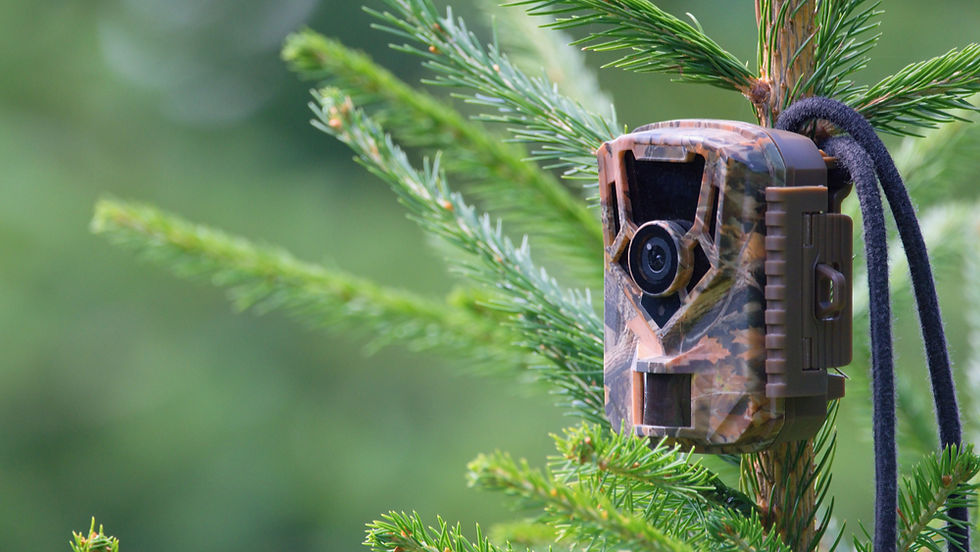
As wildlife night cameras become more widely used across the UK, councils and communities are gaining access to an unprecedented volume of ecological data. But collecting footage is only the first step. The real value lies in how that information is interpreted—and, crucially, how it is used to drive meaningful conservation action.
By turning observations into informed decisions, local authorities can move from passive monitoring to active biodiversity enhancement.
Making Sense of Wildlife Camera Data
Wildlife cameras generate a wealth of images and videos, often capturing activity that would otherwise go unnoticed. To make this data useful, it’s important to go beyond simply identifying species.
1. Identifying Species and Frequency
Start by cataloguing which species appear and how often. Are foxes visiting nightly? Are hedgehogs only occasionally spotted? Frequency can provide early indications of population health or habitat suitability.
2. Noting Behaviour Patterns
Footage can reveal more than presence—it shows behaviour:
Feeding areas
Movement routes
Nesting or den sites
Interactions between species
Understanding behaviour helps build a clearer picture of how wildlife is using a space.
3. Tracking Changes Over Time
Consistent camera placement allows for comparisons across weeks, months, or seasons. This helps identify trends, such as:
Declining activity in certain areas
Seasonal variations
Responses to environmental changes

Turning Observations into Habitat Improvements
Once patterns emerge, they can directly inform practical interventions.
🦔 Supporting Hedgehogs
If cameras show hedgehogs passing through but not lingering, it may indicate a lack of resources or shelter. Councils and residents can:
Create log piles or leaf litter habitats
Introduce hedgehog highways between green spaces
Reduce pesticide use to boost insect prey
🦊 Managing Urban Fox Activity
Frequent fox sightings in specific locations may highlight:
Reliable food sources (e.g. bins)
Safe resting areas
This insight can guide better waste management practices or habitat design that balances human and wildlife needs.
🐦 Enhancing Bird and Insect Habitats
If cameras show limited activity in green spaces, it may signal low biodiversity. Improvements could include:
Planting native wildflowers
Introducing shrubs and hedgerows
Reducing mowing frequency

From Insight to Implementation: Practical Examples
Example 1: Parkland Pathways
A town council installs cameras along a park boundary and discovers that wildlife avoids well-lit footpaths but frequently uses darker, vegetated edges.
Action: Lighting is adjusted to be wildlife-friendly, and additional planting is introduced to strengthen these natural corridors.
Example 2: Underused Green Space
Cameras placed in a community green space capture very little activity over several weeks.
Action: The area is redesigned with wildflower planting, a small pond, and reduced mowing. Follow-up monitoring shows a noticeable increase in wildlife presence.
Example 3: School Grounds Engagement
A school installs a camera and captures regular hedgehog visits.
Action: Students help build shelters and create access points in fences. The project becomes part of an ongoing biodiversity learning programme.
Strengthening Planning and Policy Decisions
Wildlife camera data can also play a valuable role in formal decision-making.
Evidence for Biodiversity Strategies
Local authorities can use recorded data to:
Support biodiversity action plans
Contribute to local nature recovery strategies
Demonstrate progress toward environmental targets
Informing Development and Land Use
Camera evidence can highlight important habitats or wildlife corridors that should be protected or enhanced during planning processes.
Supporting Funding and Partnerships
Clear, visual evidence of wildlife presence can strengthen funding applications and encourage collaboration with conservation groups and community organisations.

Strengthening Planning and Policy Decisions
Wildlife camera data can also play a valuable role in formal decision-making.
Evidence for Biodiversity Strategies
Local authorities can use recorded data to:
Support biodiversity action plans
Contribute to local nature recovery strategies
Demonstrate progress toward environmental targets
Informing Development and Land Use
Camera evidence can highlight important habitats or wildlife corridors that should be protected or enhanced during planning processes.
Supporting Funding and Partnerships
Clear, visual evidence of wildlife presence can strengthen funding applications and encourage collaboration with conservation groups and community organisations.
Sharing Findings with the Community
Data becomes even more powerful when it is shared.
Public updates: Short clips and images can raise awareness and build local pride
Citizen science: Residents can contribute their own observations
Education: Schools and youth groups can engage with real-world ecological data
When people see the direct impact of conservation efforts, they are more likely to support and participate in them.
Best Practices for Turning Data into Action
To maximise impact, councils and organisations should:
Establish clear goals before deploying cameras
Standardise data collection and recording methods
Review findings regularly—not just at the end of projects
Combine camera data with other ecological surveys where possible
Ensure ethical use, respecting both wildlife and public privacy
Closing the Loop: From Observation to Impact
Wildlife night cameras offer more than just fascinating glimpses into the natural world—they provide a powerful foundation for informed decision-making.
By carefully analysing what cameras reveal and translating those insights into targeted action, councils and communities can create greener, more connected, and more resilient environments.
In the end, it’s not just about watching wildlife—it’s about using what we see to make a real difference.


Comments